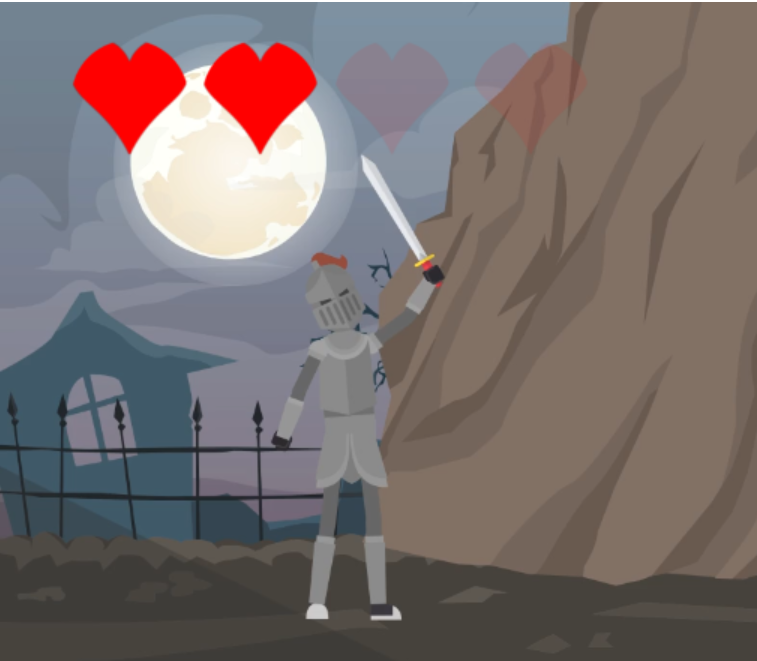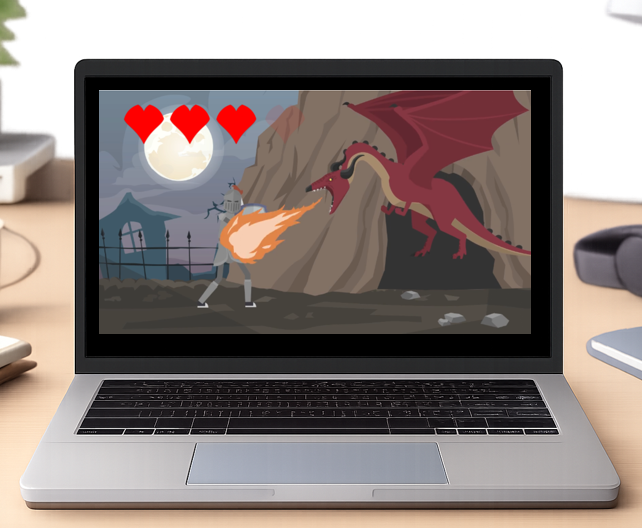
This project was designed as a playful, low-stakes way to introduce myself to learners—without relying on passive formats like videos, slides, or long blocks of text.
Rather than asking learners to consume information about who I am, I invited them to discover it.
The experience takes the form of a short, fantasy-themed game where learners progress by answering questions about me. The intent was not assessment, but engagement—using gamification strategies and cognitive principles to create curiosity, momentum, and a sense of accomplishment in under five minutes.
This project served as an experimentation space to explore how deduction, progressive difficulty, and light consequences can drive engagement—even when the “content” itself is intentionally minimal.
Audience: Internal learners and colleagues, Stakeholders and peers onboarding into a new working relationship
Responsibilities: Experience Design, Gamification Strategy, Visual & Narrative Design, Animation (Vyond), Interactive Development (Articulate Storyline), Audio Selection & Integration
Tools Used: Vyond (Animation & Visual Storytelling), Articulate Storyline 360, Audio & Sound Effects Libraries
Intro Project: A Gamified Introduction Experience
Project Walkthrough
This short video provides a high-level walkthrough of the experience, showing how the project unfolds from start to finish. It offers context on flow, tone, and structure, while keeping the focus on the interaction itself rather than detailed explanation.
The Experience
This project was designed as a short, interactive introduction that replaces passive self-presentation with discovery. Rather than explaining who I am through video or text, the experience invites learners to engage immediately, make decisions, and progress through a playful, game-like journey. The focus is not on assessment, but on engagement—using interaction, pacing, and light challenge to create a memorable first touchpoint.

Designed to Last: Learners build understanding through deduction rather than exposition, making the experience more memorable by requiring them to actively reason their way forward.
Designed to Inspire: Immediate interaction, playful stakes, and visible progress create curiosity and momentum, showing that learning can be light, engaging, and intentional.

Designed to Change: The project challenges the assumption that introductions must be passive, demonstrating how interaction and pacing can replace information-heavy approaches.

Together, these principles shape an experience that prioritizes action over exposition. The result is an introduction that feels personal, engaging, and memorable—without relying on volume of content or explicit instruction.
Experience Design & Game Structure
Phase 1: Low-Stakes Discovery
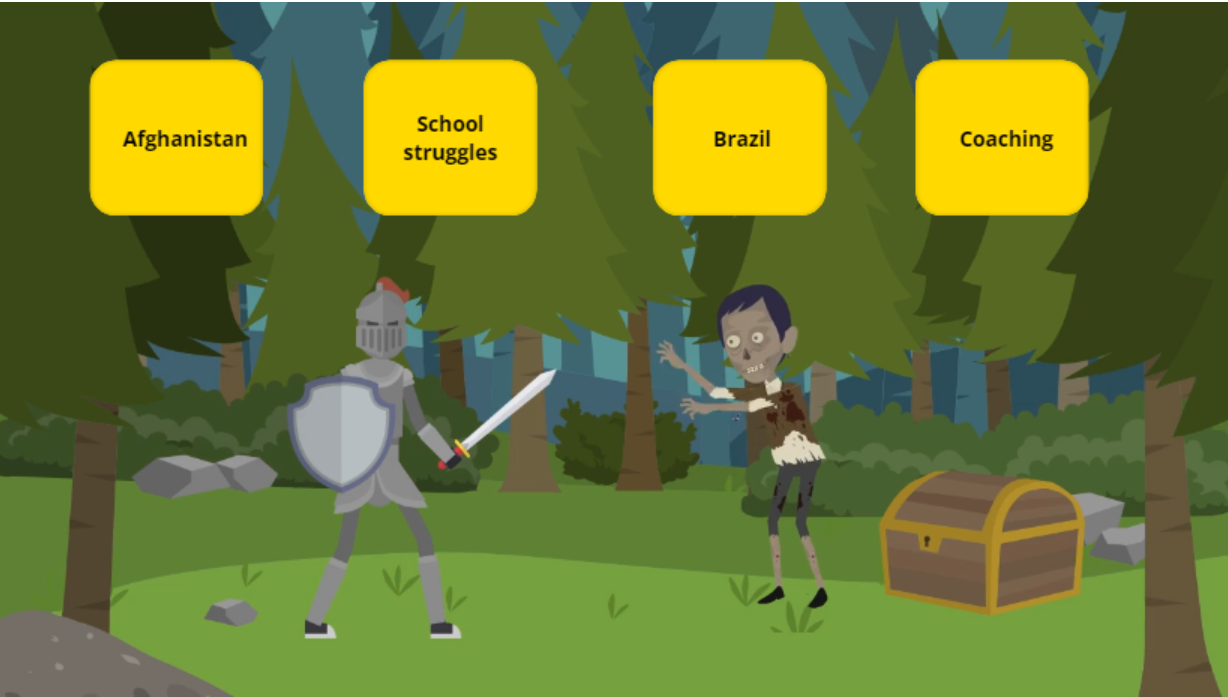
The experience opens by placing learners directly into the action—without instructions or upfront explanations. Learners are presented with four introductory questions about me, designed to be forgiving and exploratory.
There are:
No penalties
Unlimited retries
Immediate feedback
These questions follow a Socratic string. While learners may not answer correctly on the first attempt, the structure of the questions—and the nature of the distractors—helps them reason their way forward. Incorrect options are intentional, serving as subtle hints that shape future decisions.
This approach:
Minimizes text
Encourages active problem-solving
Creates a feeling of discovery rather than instruction
Phase 2: Increased Stakes & Challenge
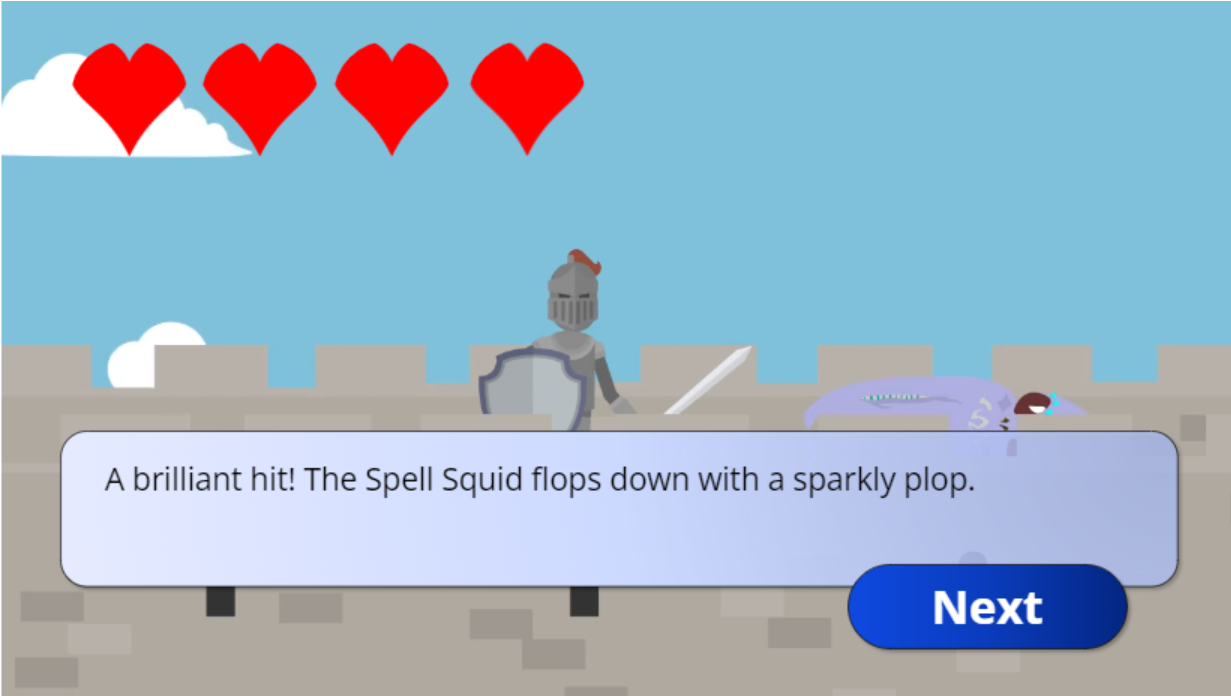
The final section introduces four more difficult questions. On their own, these would feel overwhelming—but because learners have already engaged with patterns, themes, and constraints earlier, they can now deduce answers through elimination and inference.
To increase engagement:
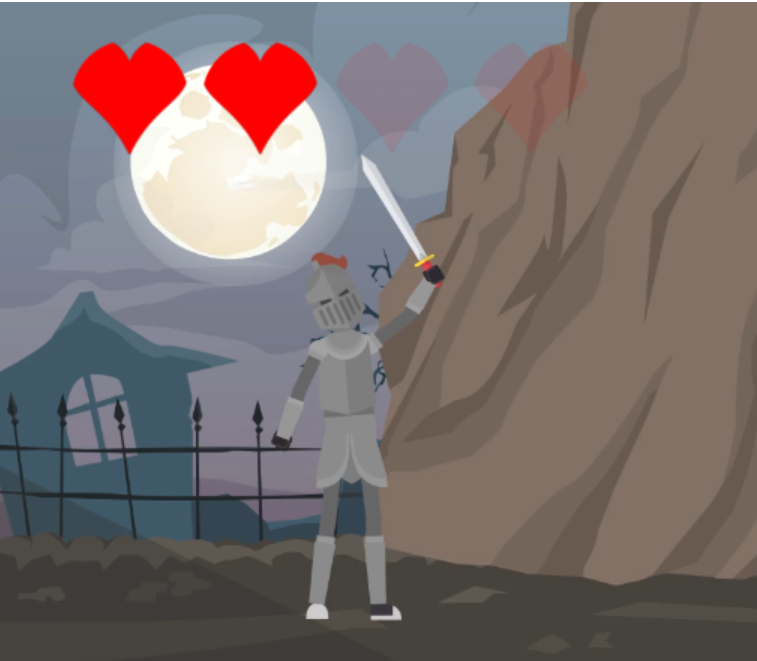
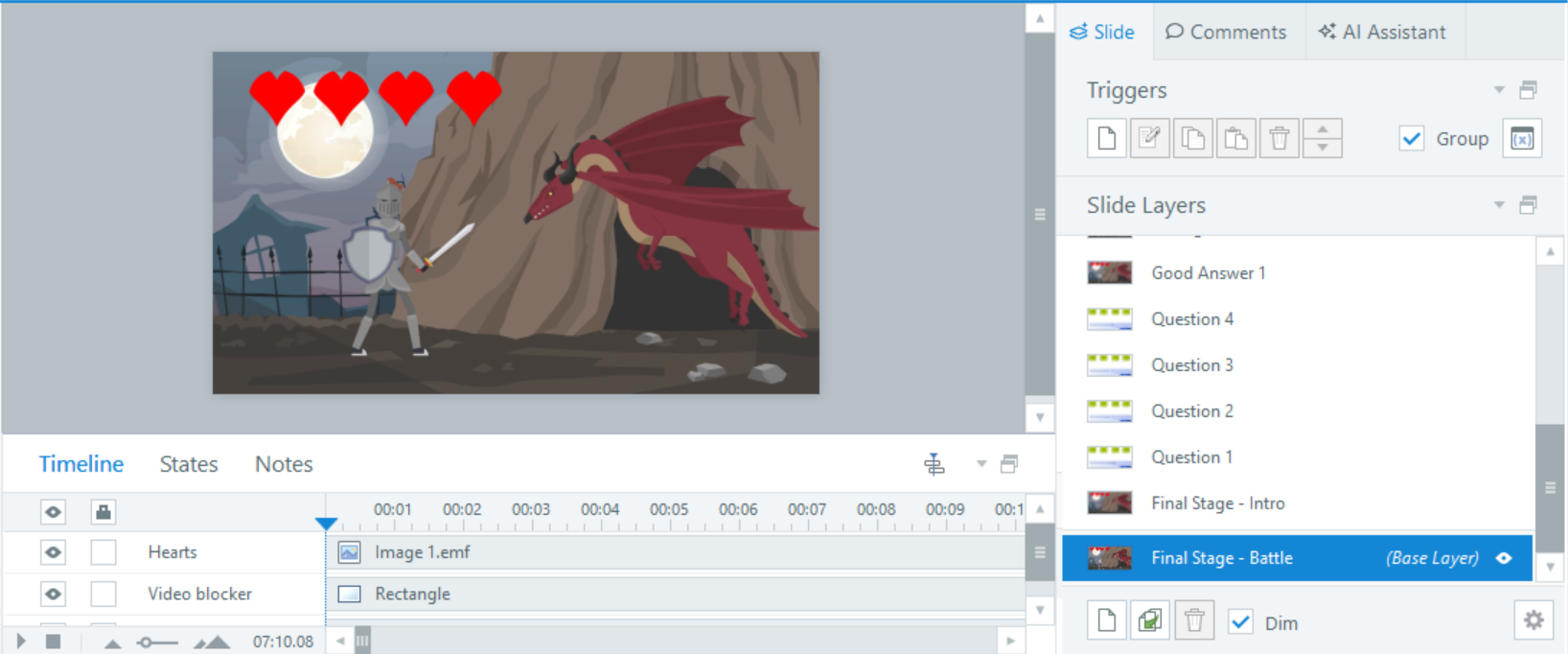
Learners carry forward four hearts earned earlier
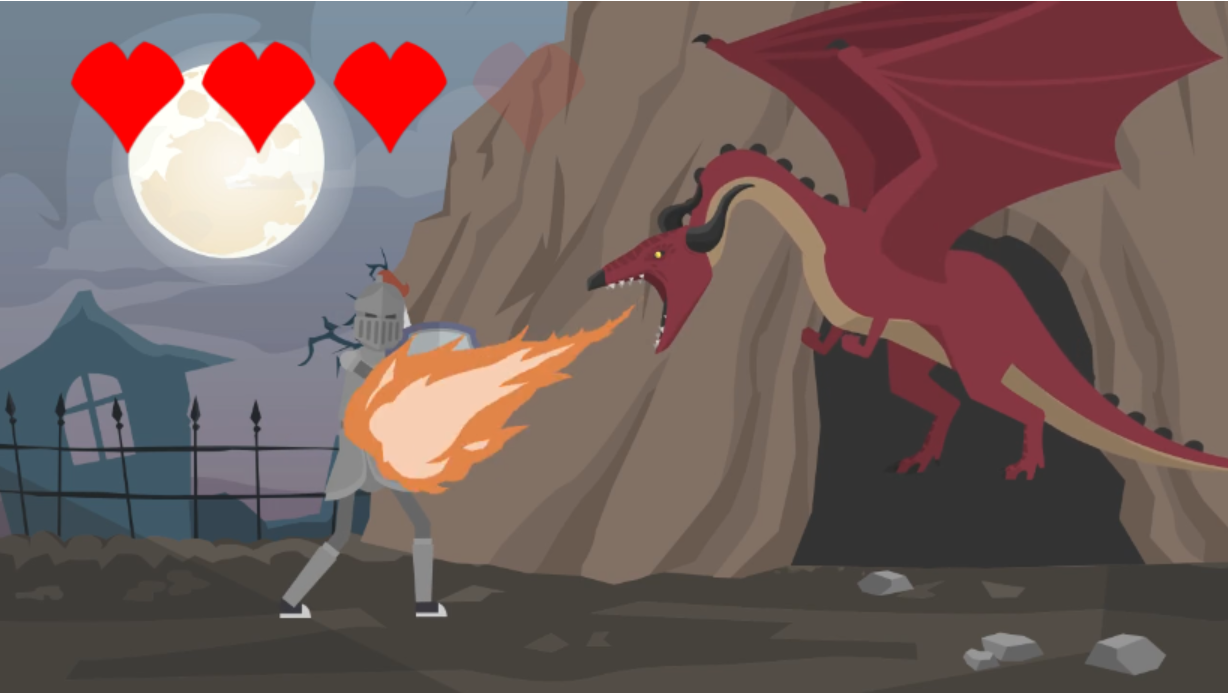
Each incorrect answer removes a heart
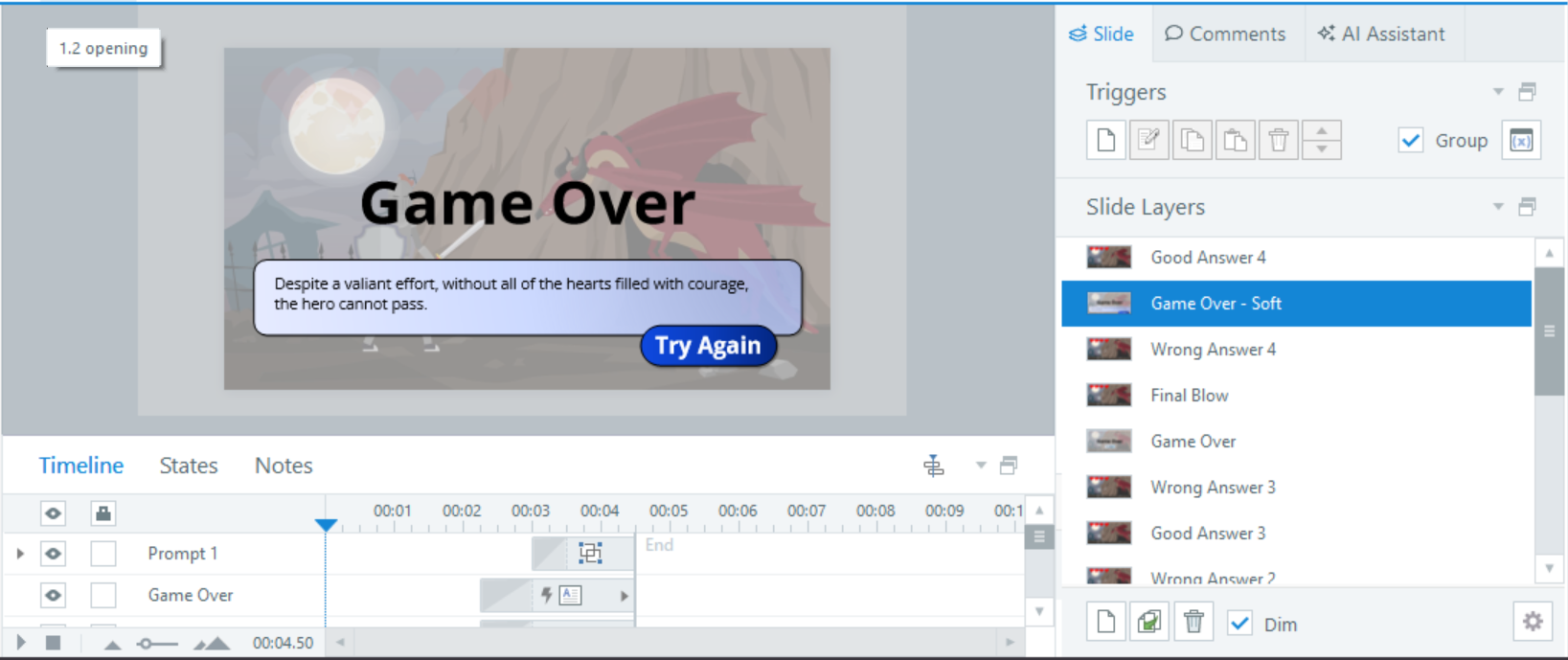
Losing all hearts triggers a game-over and restarts the section
This design intentionally places learners in the zone of proximal development—challenged, but not discouraged.
Visual, Audio & Narrative Design
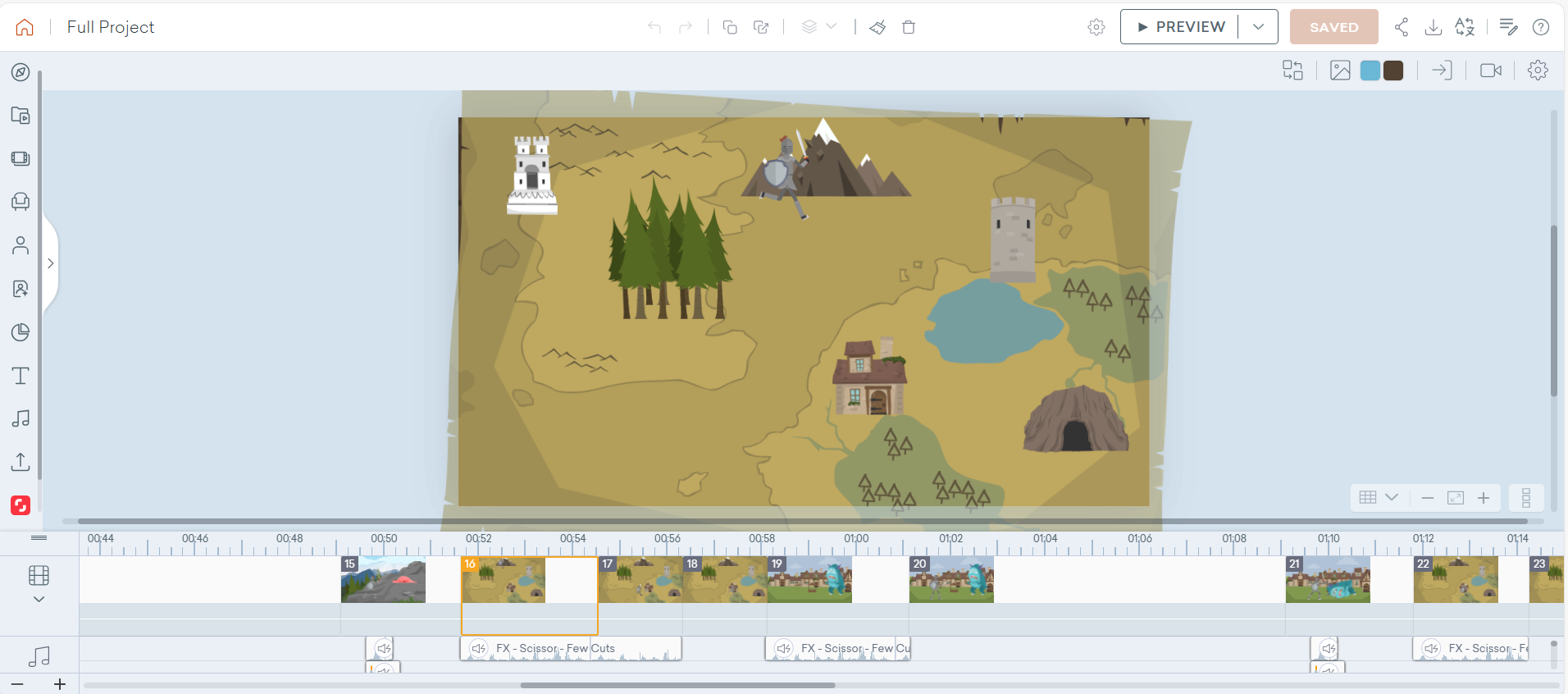
To create this experience, I intentionally worked within Vyond, a tool I had not extensively explored before.
I selected a light-hearted fantasy theme to keep the experience playful and emotionally safe. The setting avoids realism by design, ensuring that learners feel free to experiment, fail, and try again without pressure.
Characters & World
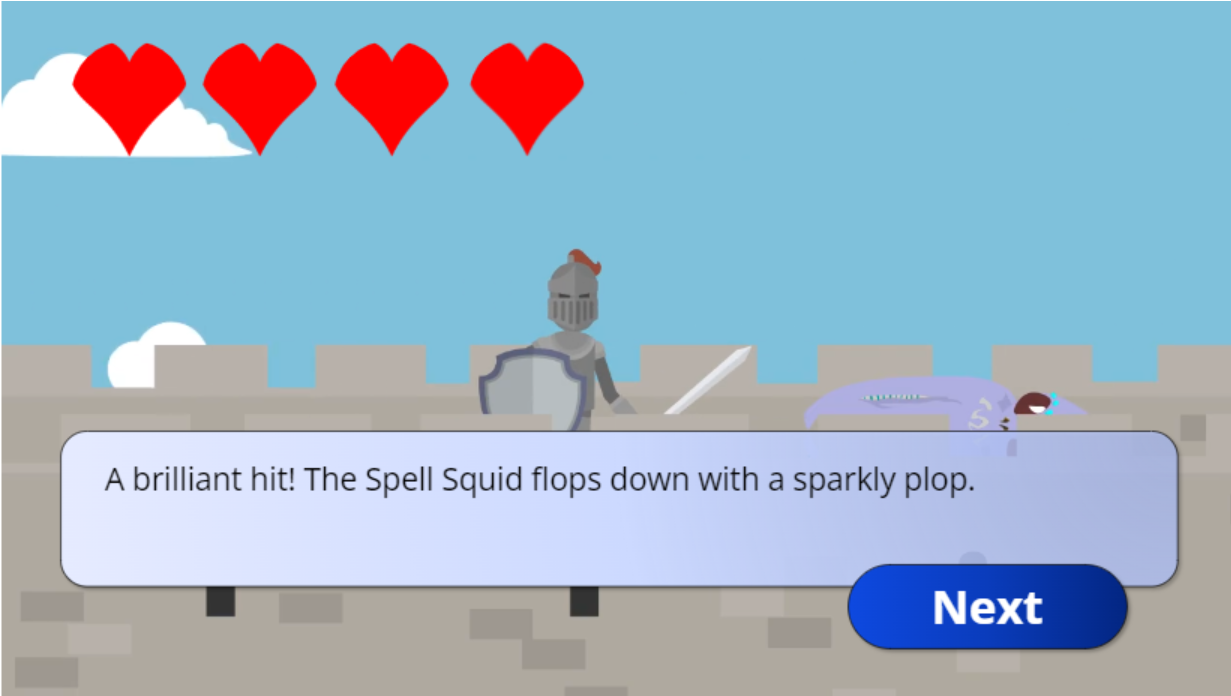
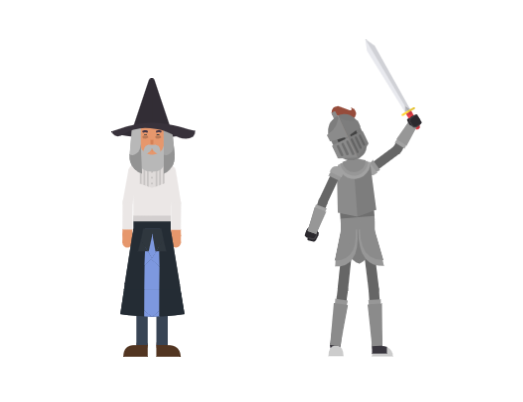
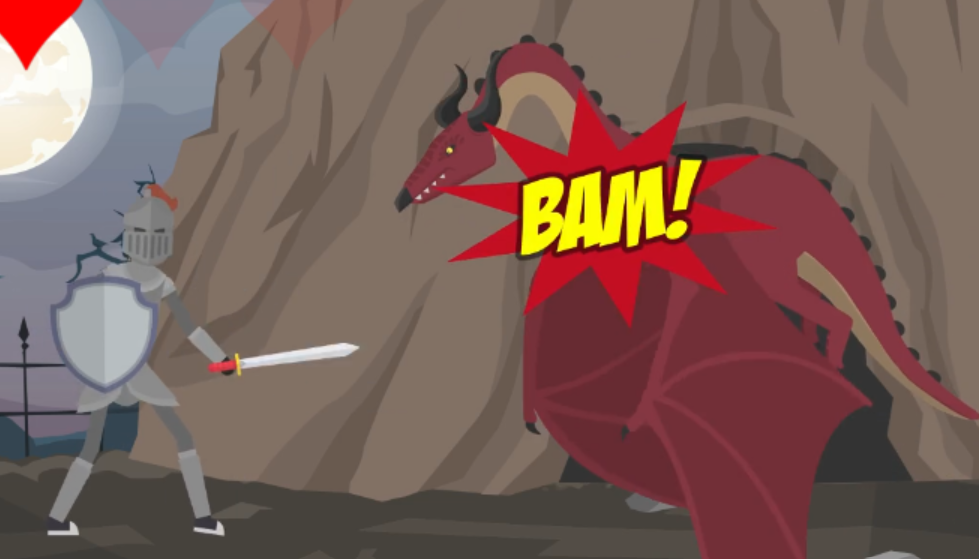
Sir Daniel: A simple knight designed to be approachable and easy to project onto
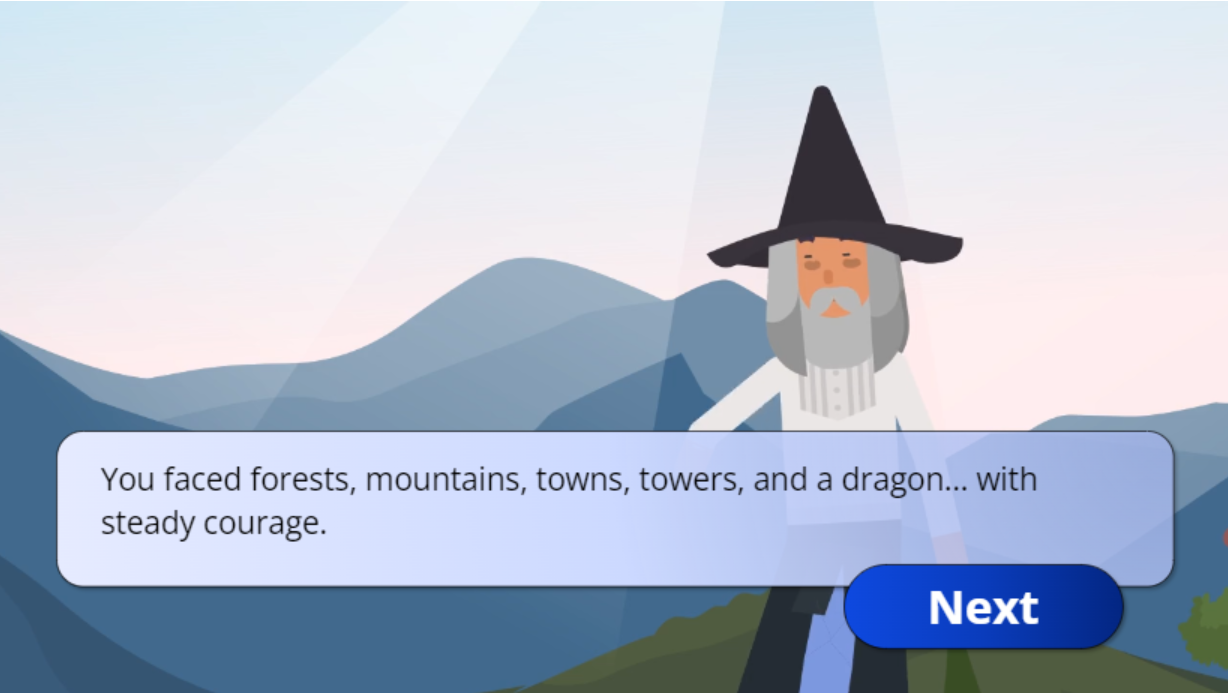
Narrator (Wizard): A third-person guide providing context and perspective
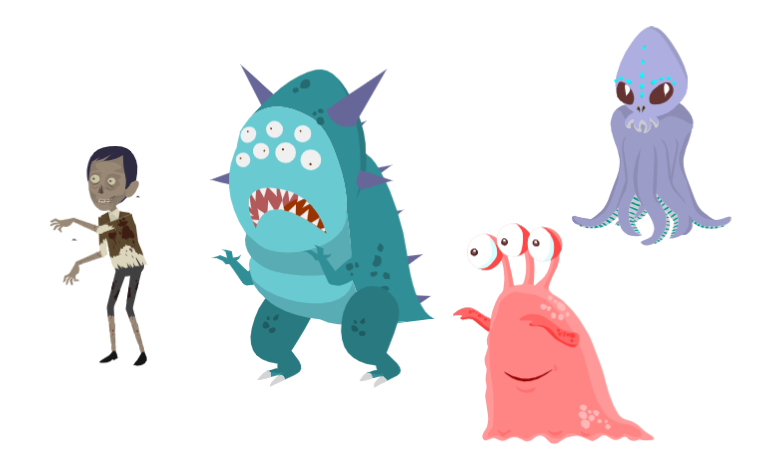
Opponents & Bosses: Light-hearted villains selected to maintain tone rather than intimidation
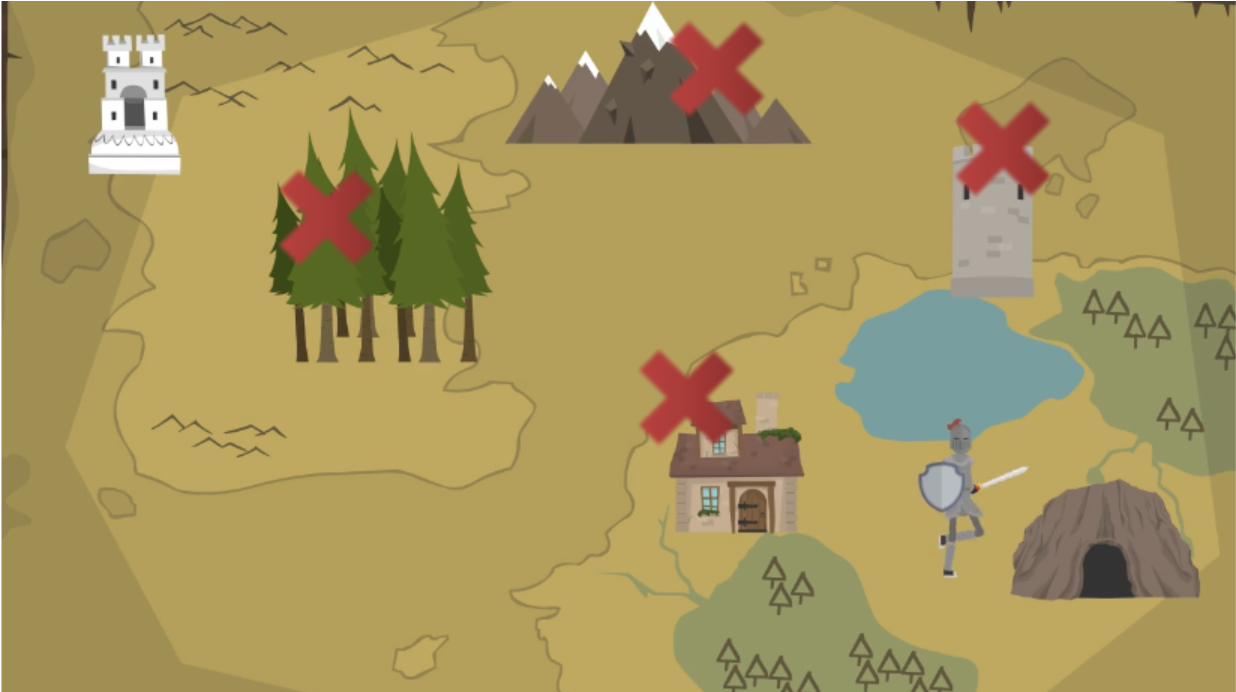
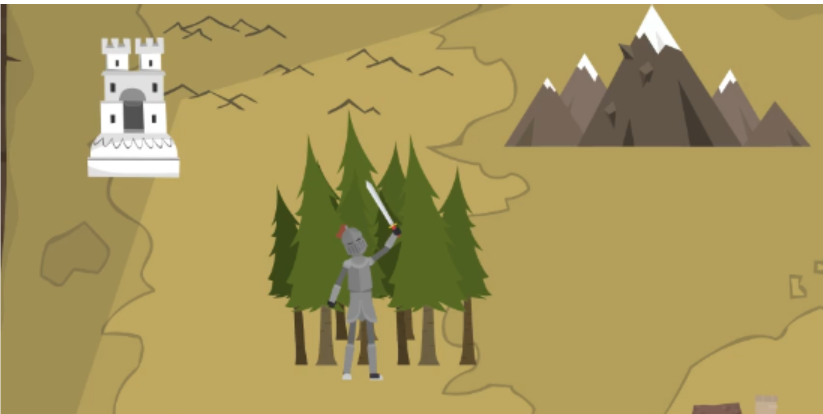
A visual map tracks progression across environments, reinforcing momentum and giving learners a clear sense of advancement.
Audio & Immersion
Sound design plays a key role in immersion. Distinct musical themes support exploration, battles, and progression. The final dragon encounter uses a noticeably different track to signal increased stakes—without explicitly stating them.
Music and sound effects guide emotion and pacing through sensory cues rather than text.

Interactive Development
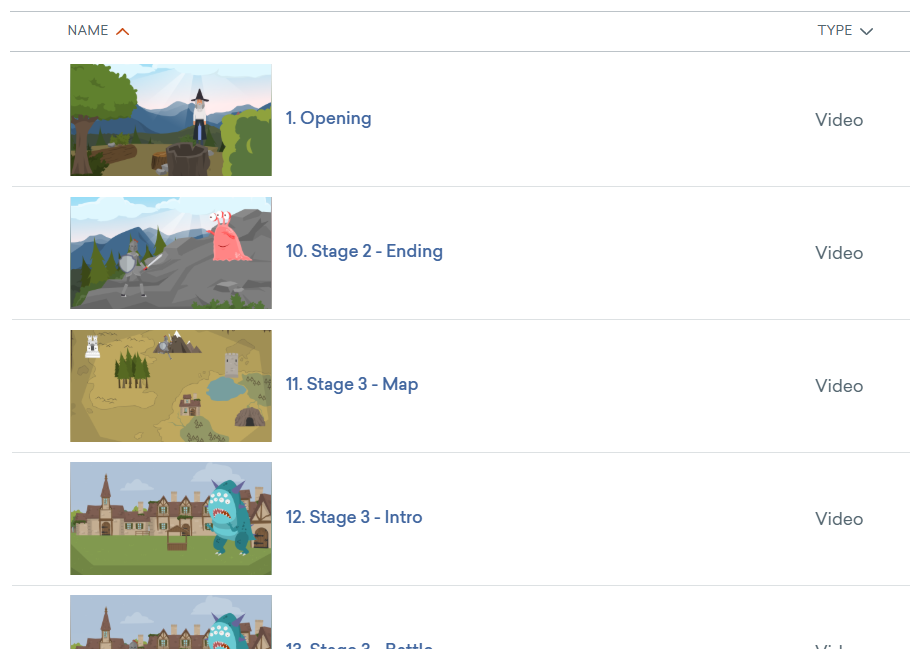
After completing the full animated sequence in Vyond, I divided the story into approximately 25 short clips and rebuilt the experience in Articulate Storyline.
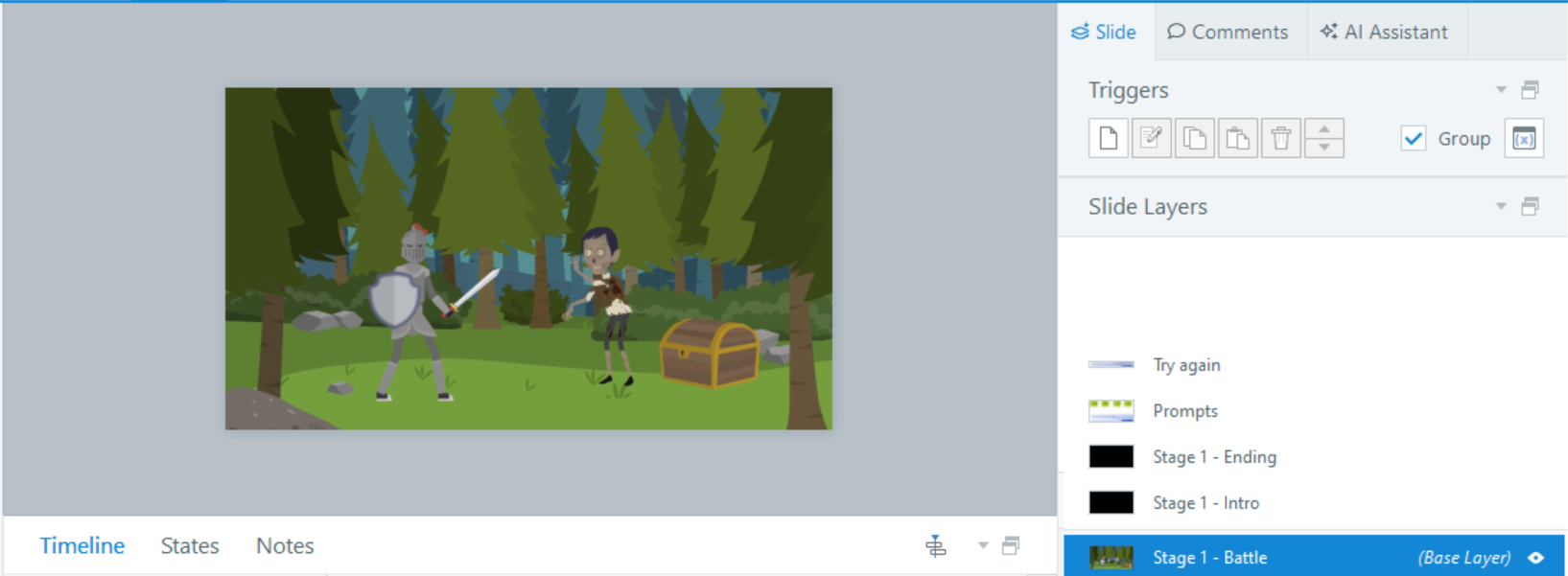
Using states, layers, triggers, and variables:
Scenes react dynamically to learner choices
Background music persists across interactions
Video layers trigger arrivals, victories, retries, and failures
In the final encounter:
Heart variables determine progression or failure
Partial mistakes allow recovery
Full failure triggers a focused restart rather than starting over entirely
Once all four final questions are answered correctly, the dragon is defeated and the experience concludes.
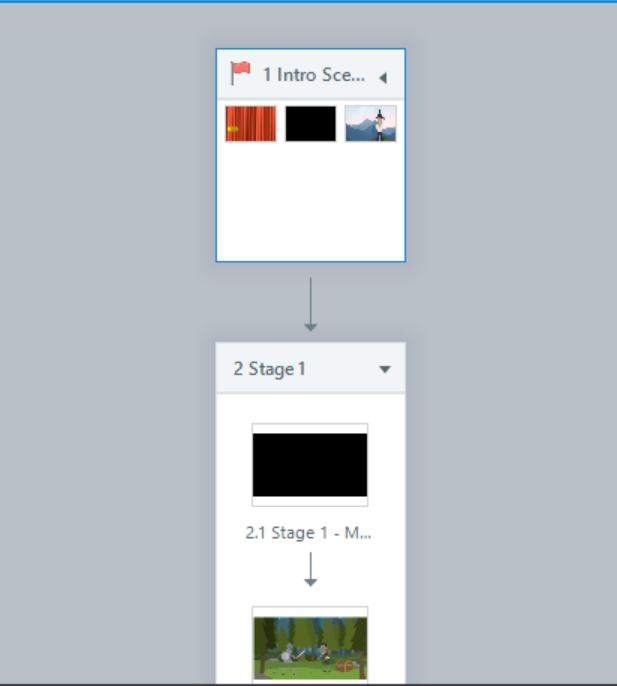
Full Development
I used variables, triggers, layers, and states in Articulate Storyline to implement the interactive logic of the experience. Variables tracked progression and remaining attempts, while conditional triggers controlled navigation, feedback, and scene flow.
This structure ensured that learner actions consistently produced the correct responses on screen—such as retry paths, progression to the next encounter, or failure states—without requiring additional instruction. Development decisions focused on keeping interactions responsive and reliable, allowing the experience to run smoothly while supporting the intended game flow.
Results and Takeaways
This project demonstrated how reducing information while increasing interaction can significantly improve engagement. Learners remain active throughout, build confidence through early success, and stay invested as difficulty increases.
It reinforced a core belief that runs through all my work: learning is most effective when learners are trusted to think, not just consume.
Financial Value: A short, interactive experience can replace longer passive introductions, reducing content development time while increasing learner engagement.


Strategic Value: The project provides a reusable model for onboarding and early learning moments where attention, curiosity, and retention matter most.

By placing learners in control of their progress and encouraging deduction over exposition, this experience delivers immediate feedback in a safe, playful environment. Though intentionally lightweight in scope, the project highlights how interaction, pacing, and gamified tension can transform even simple introductions into memorable learning moments. It reinforces the value of designing experiences that engage learners emotionally and cognitively—proving that impactful learning does not require more content, only better design.
Personal Value: Learners experience agency and discovery, forming a more memorable and human connection from the very first interaction.